What happens when the shine of the launch wears off?

A launch matters. It's a line in the sand, the moment where anticipation transforms into reward. Done well, it leverages the desire, curiosity and momentum built pre-opening, to disrupt consumer habits and expose them to the new. Deliver on your promises and some will return to make new rituals. The launch is built on novelty and the spectacle effect, you can't skimp on either. Any new retail: centre, precinct or store needs to build the hype and then deliver on day one. 

But getting it open is only the first part of the story. 

Kiwi Property put it plainly this week, writing about the new adidas concept store at Sylvia Park: "A new store opening is one thing. Creating a reason for people to experience the brand is another". We know hearts move minds — consumers aren't just looking for experience - they're expecting it. FuturePlace’s research finds that experiential formats increase dwell time, raise conversion and strengthen loyalty. It’s an easy promise to make pre-opening but a launch that promises experience followed by a calendar that doesn't follow through isn't neutral. It's one more thing that is asking for attention from an already weary consumer and giving nothing back.

Consumers are fatigued because everything is asking for something. Every surface, every screen, every scroll wants attention, data or a purchase. Sophie Howarth, Creative Retail Design and Experience Director at Coty, put it plainly at a panel this year: “retail is heavy”. WGSN calls it the Great Exhaustion, and it's the new consumer baseline. Now more than ever, keeping a promise matters.

We're seeing the rise of retail spaces designed from the outset to respond to this. Spaces as more than purely functional — with a deliberate focus on community, multi-sensory emotional resonance and flexible experience-led environments. That’s exactly what we’re expecting to see when Faradays opens later this year. With three levels in the heritage Milne & Choyce building, a basement conceived as a cultural hub, and Lottie's from Josh and Helen Emett, CEO Edward von Dadelszen calls it "a next-generation department store" built on "an ever-changing curation of the best, most interesting brands from New Zealand and abroad". And he's clear about the standard he's setting: "Modern Auckland needs places worth the journey. Places that respect your time and taste. Places built by people who genuinely care about getting it right, not just getting it open."

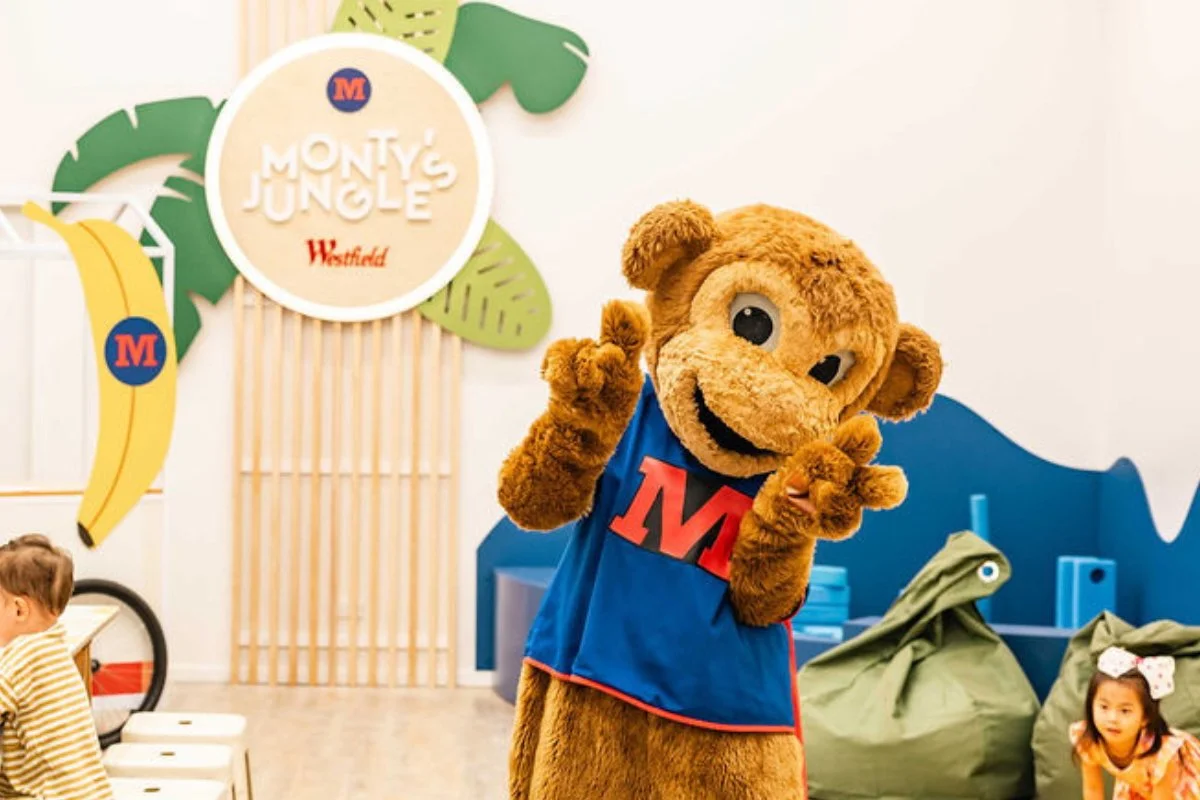
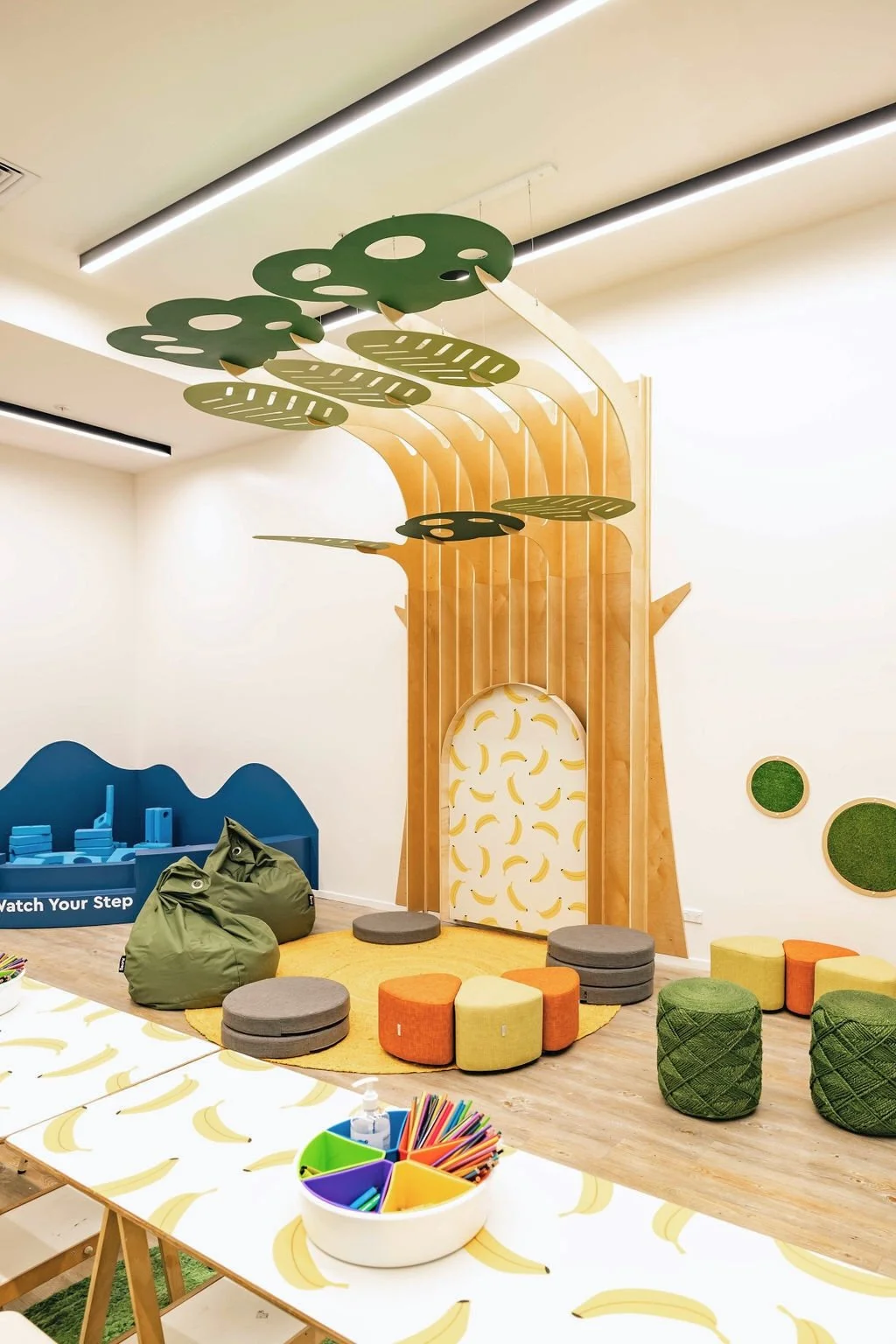
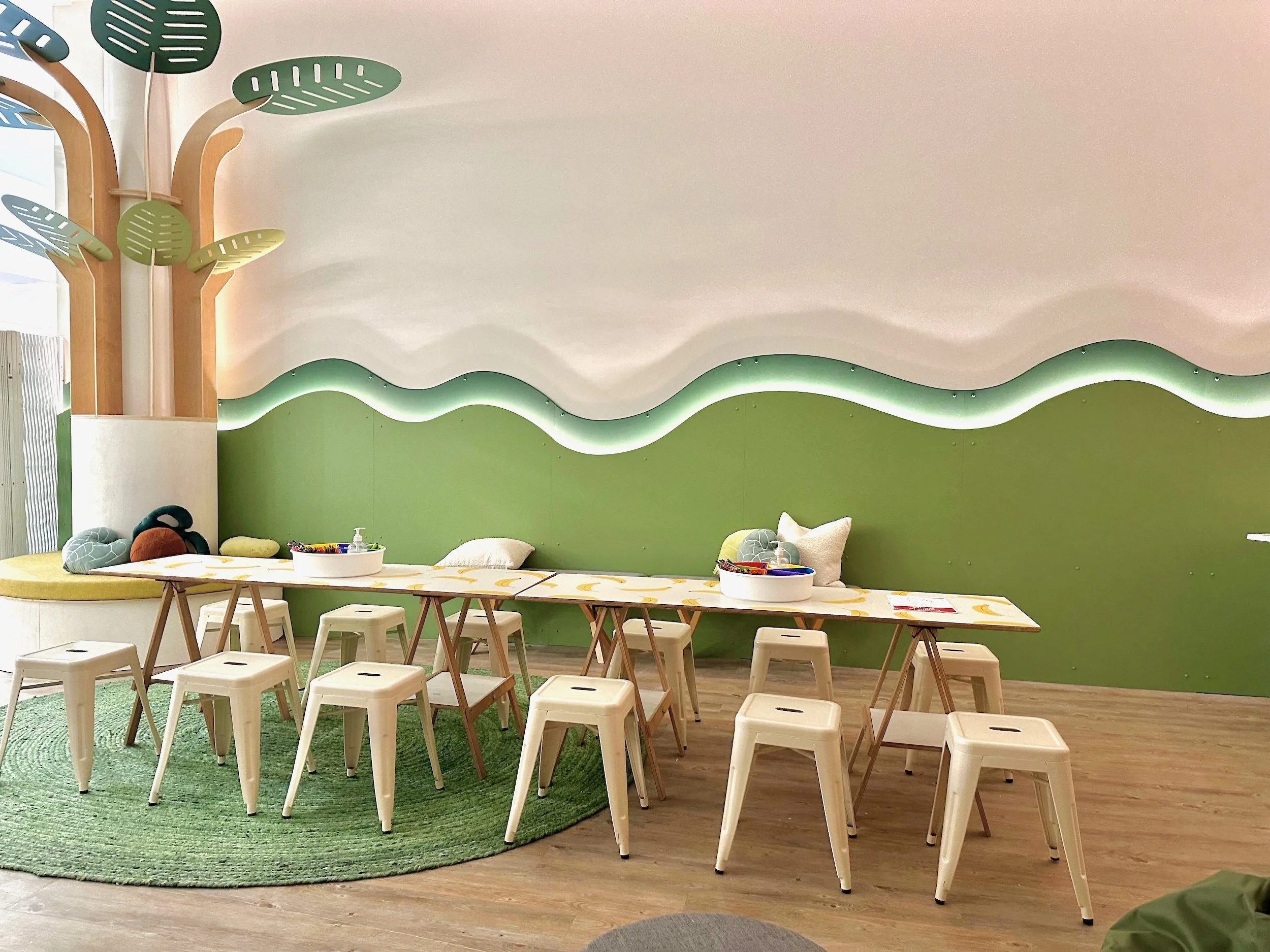
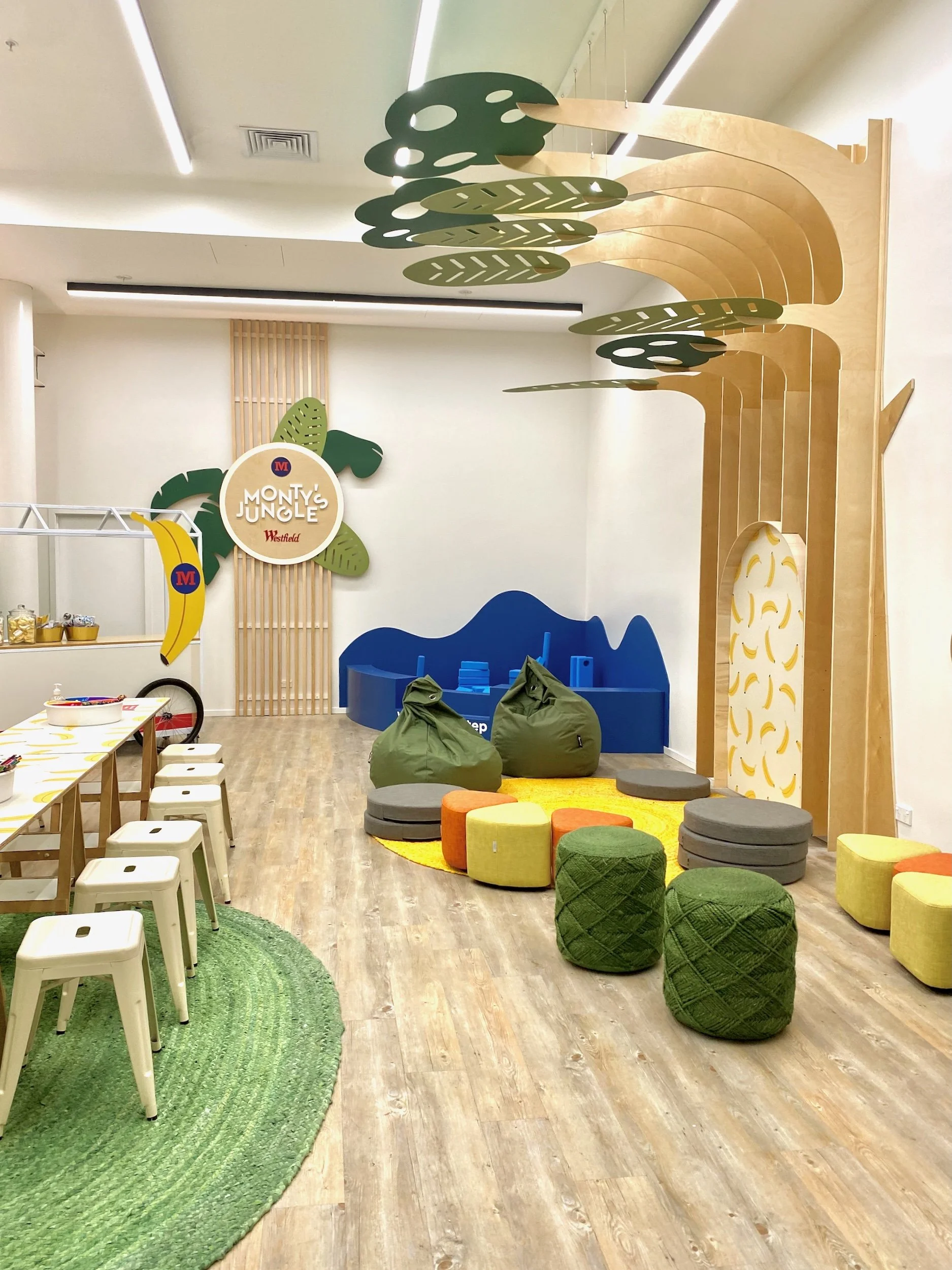
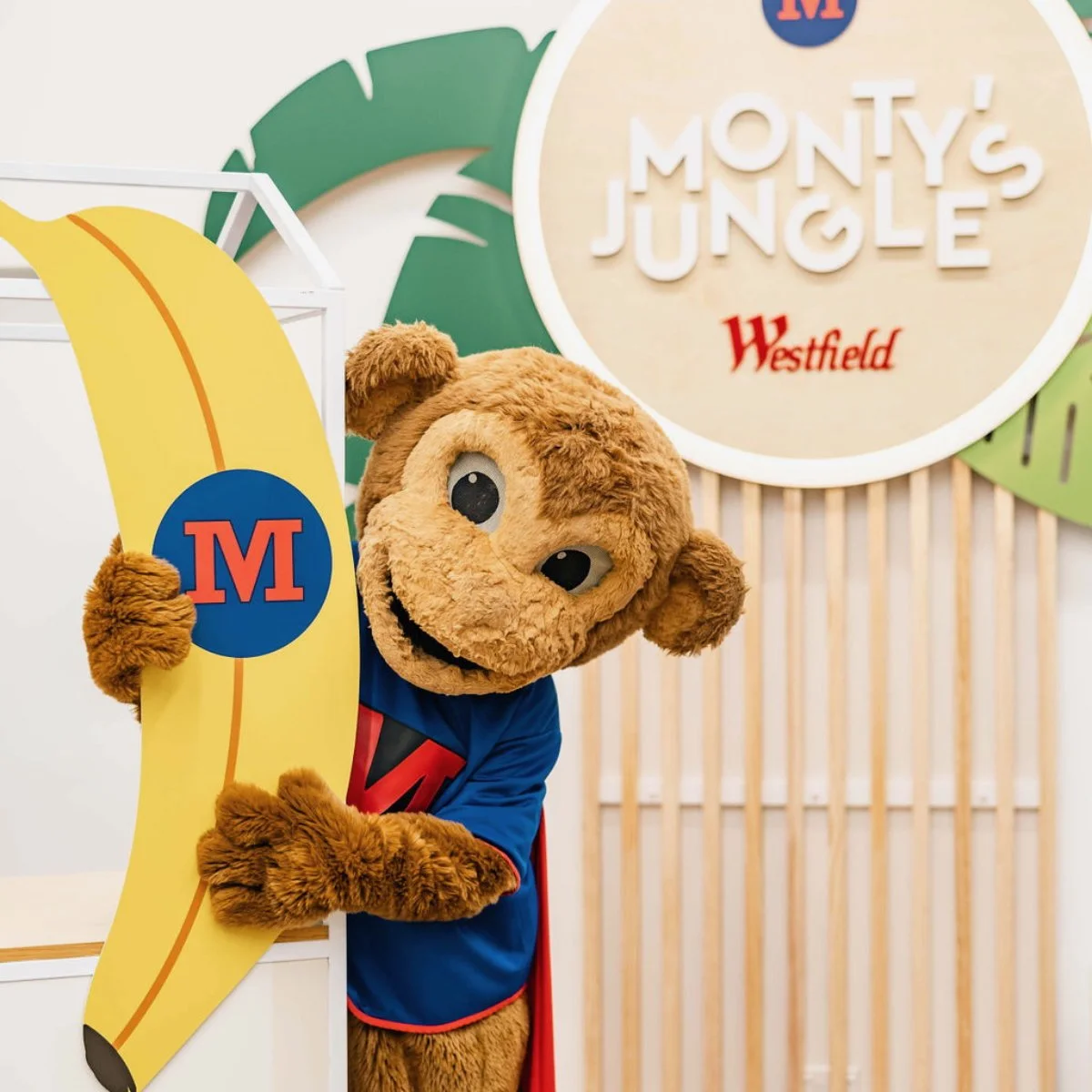
We’ve built our share of these ourselves - Monty’s Jungle at Westfield St Lukes started as a temporary tenancy activation but three years on, it’s still used daily. It’s more than a static fit out. It’s interactive, built for the different ways families use a space and embodies the character of Monty. But clever spatial design is only half of why it’s become a community anchor. A space built for experience is only capability; the calendar is commitment.

When Lululemon opened their first store in Korea, they took a space that would have held a stockroom and replaced it with a working studio. This was more than a cosmetic upgrade, it was a conscious decision to prioritise programme. Bookable yoga, barre, training and running classes — SKUs traded for timetable. All to transform the retail space into evidence that its brand promises of being a well-being and mindful movement are true.

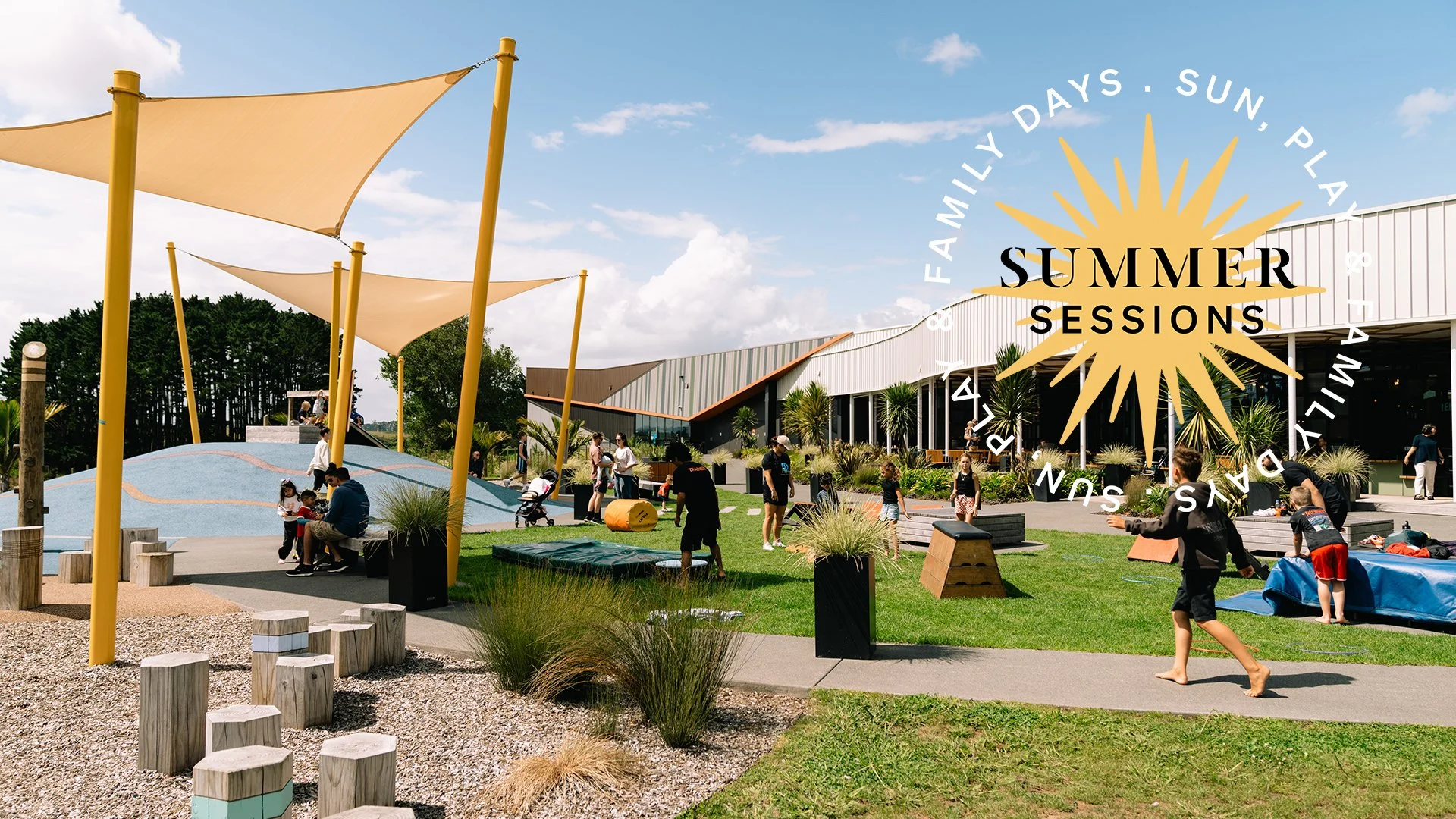
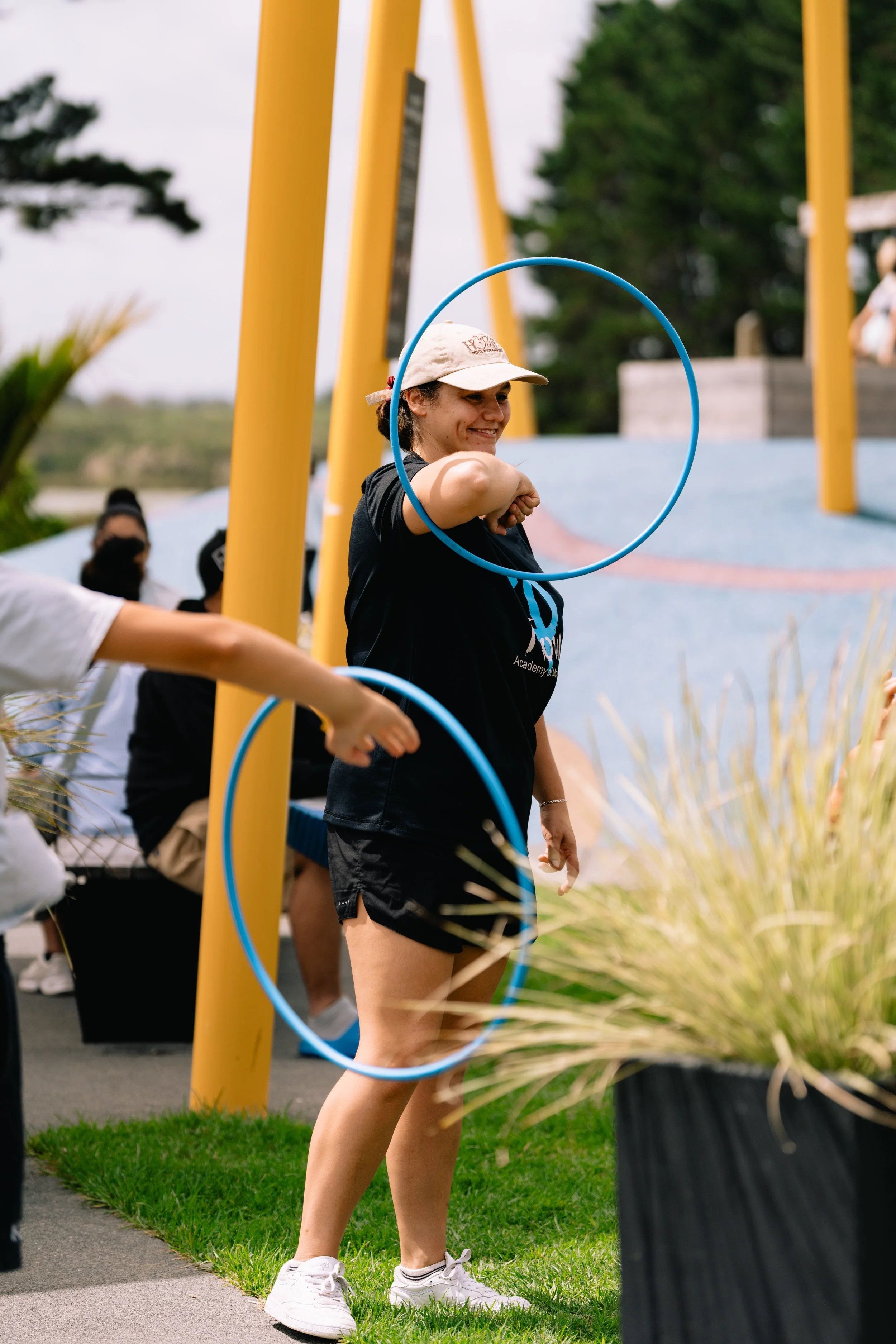
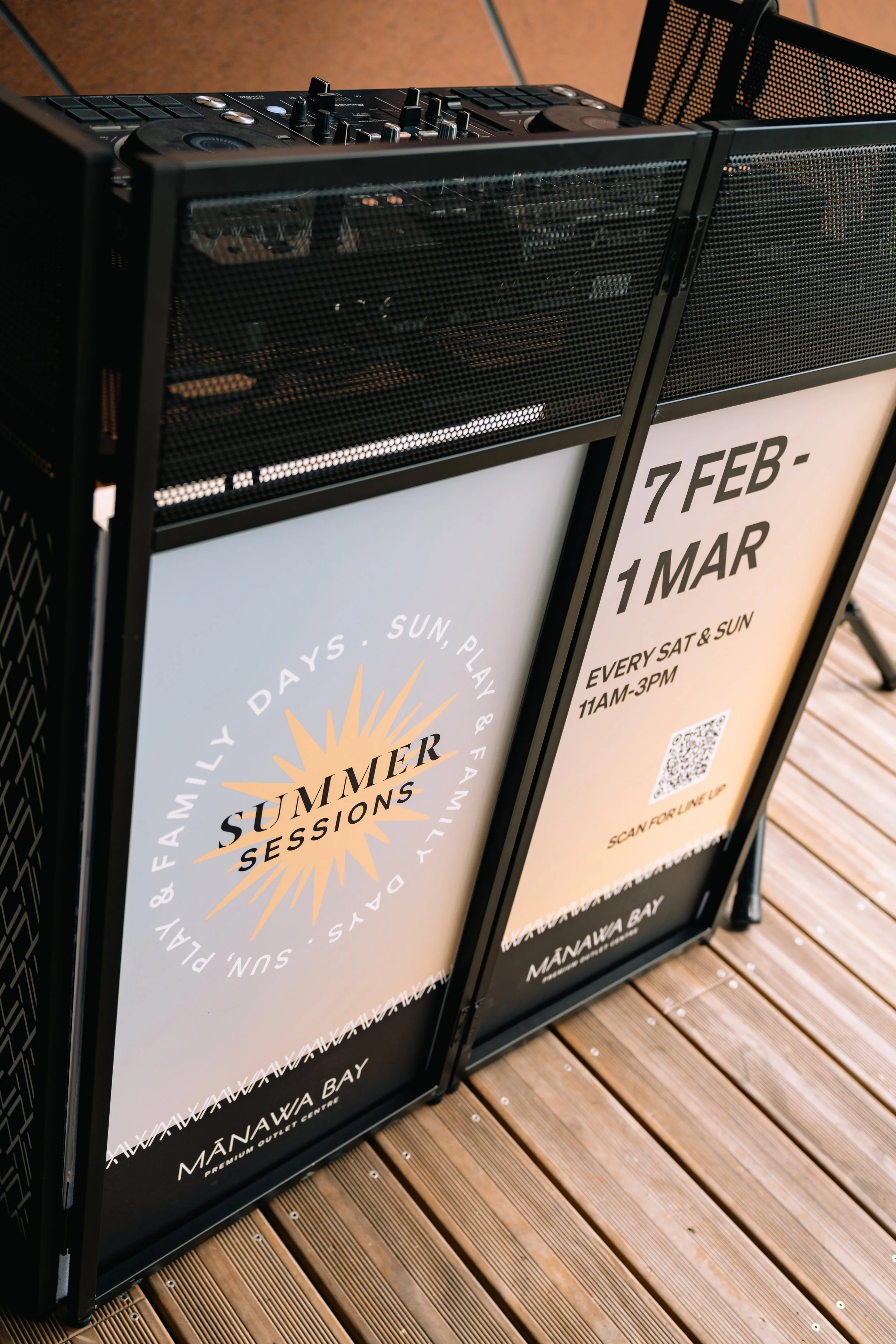
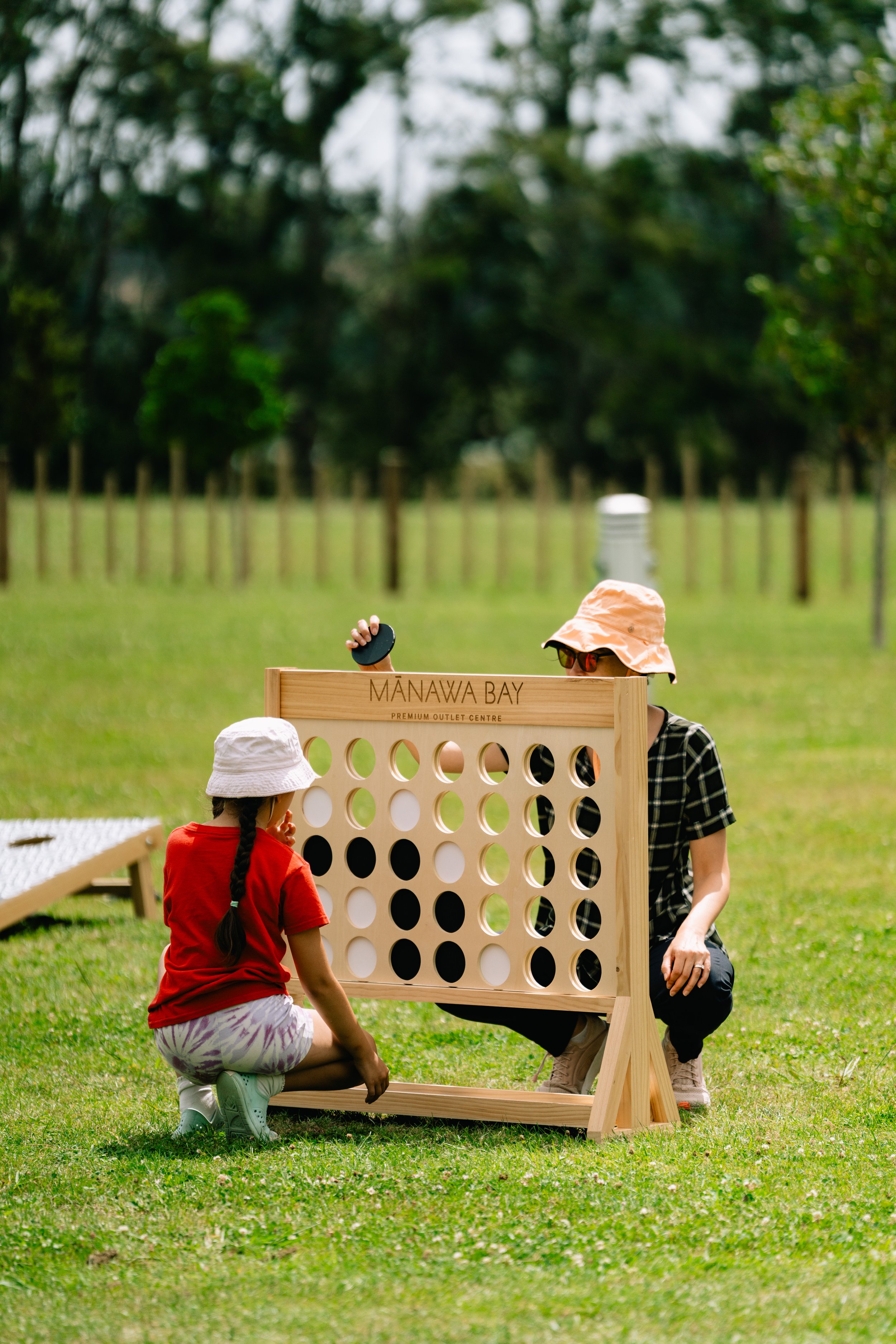
At Mānawa Bay we were asked to activate the outdoor deck. Instead of a one-off event we designed a repeatable format. Summer Sessions is a whānau focussed programme and wrap around identity created to embody the values of Mānawa Bay and its community. Four weekends, a weekly DJ anchor, and a rotating line-up drawn from the community around it: Cook Islands drummers, hula classes, lei-making. Always a reason to come back. It was designed from the start to be handed over, and the centre's team runs it. We didn't build them a moment. We built them something to keep.

The truth is though, most retail isn’t functioning this way. So where is the disconnect between opening ambition and ongoing calendar? An opening is a campaign. It has a deadline, a clear brief and a measurable spike. Maintaining a destination is a programme. It's the slow grind that continues indefinitely and requires much longer term thinking. The problem we see on repeat is that no one owns it. The team from the launch moves on and the work of creating experience lives in the gap between marketing, leasing and operations where nobody's KPI quite reaches.

The Future of Physical Retail, published by FuturePlace this year, put it bluntly: the sector's transformation is being slowed by short term decision making, with quarterly pressure repeatedly winning out over long-horizon investment. It's not a shortage of ambition or intention that's the problem. It's ownership. The launch team will move on; that's not a failing, it's what launch teams do. But someone has to be handed the baton, and the problem usually isn't that it gets dropped. It's that there was never one to take.

Ownership is the mechanism, not the point. The point is simpler, and harder. You made a promise on opening day — about what this place is for, and how it would feel to be in it. Every week after that either keeps that promise or quietly withdraws it.

We'd like to see fewer promises made lightly, and far more of them kept.

Call it integrity with a KPI attached.