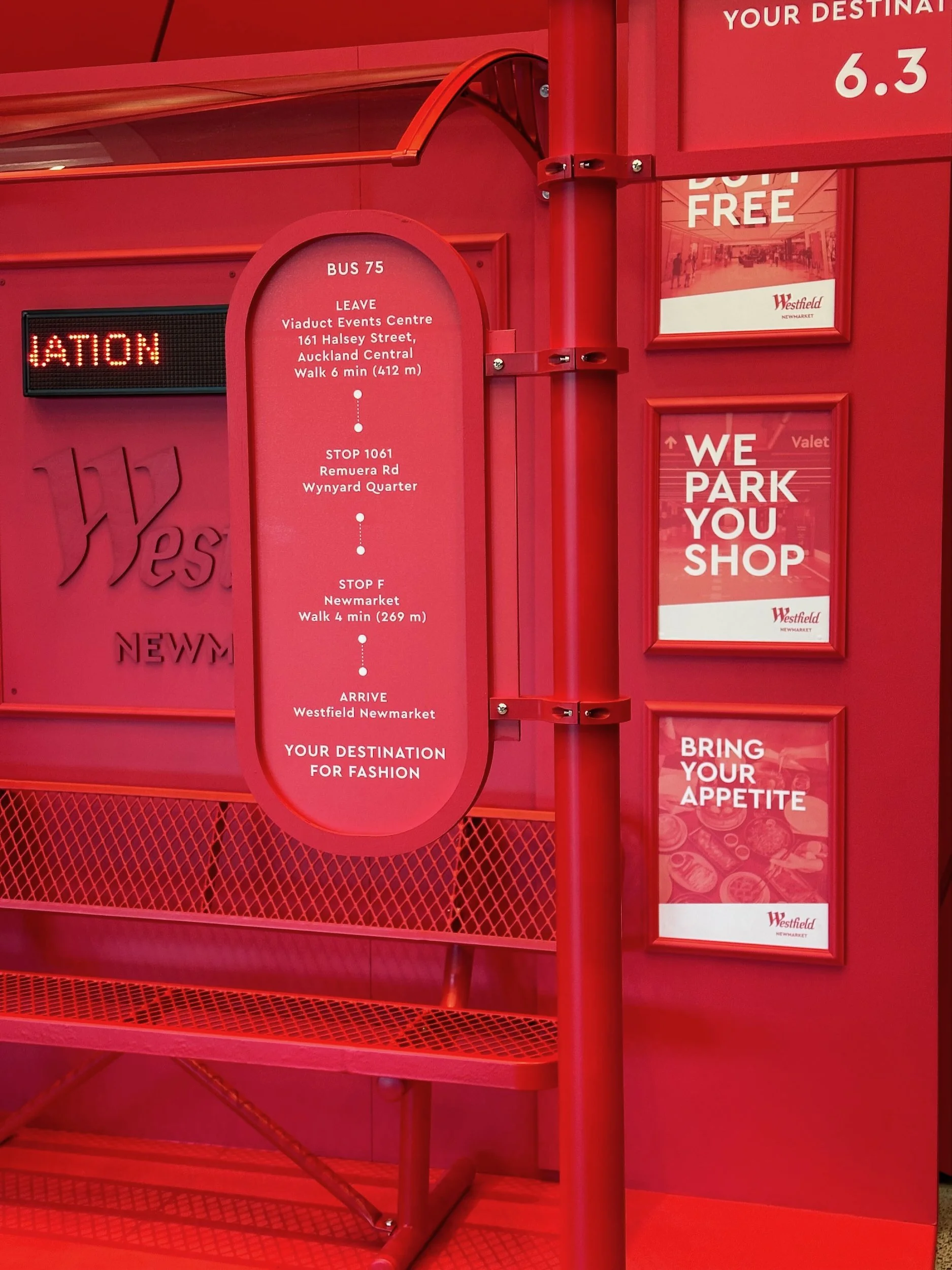
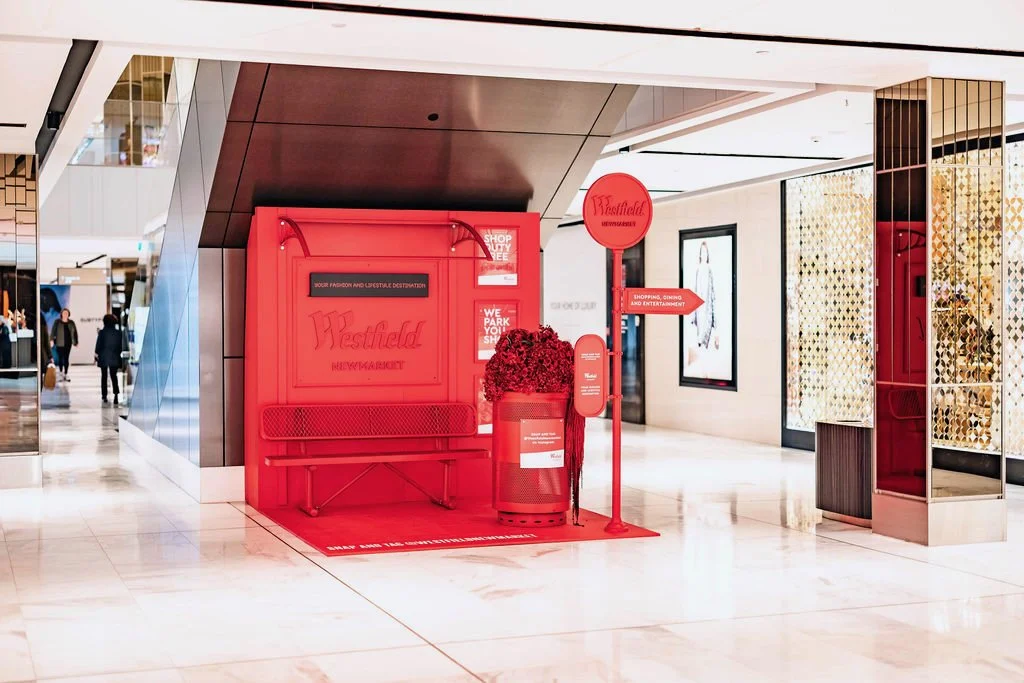
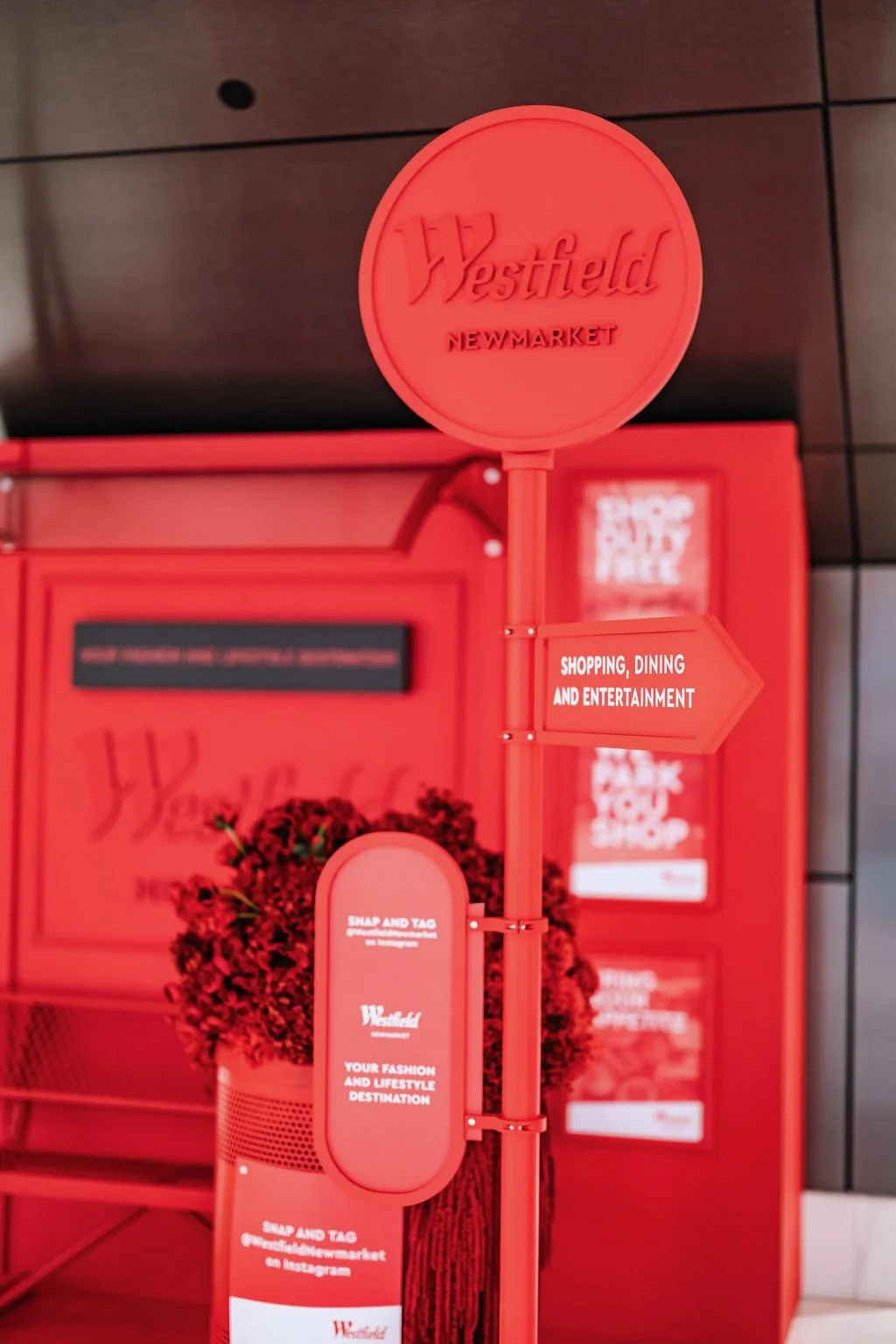
I’ve been reading a lot about where retail and experiential are heading lately, and one thing keeps coming up: People want to recognise the brands they connect with, but they also want something new from them. Something they haven’t seen before, something to feel part of. But, how much needs to stay familiar? And when is there a reason to do something completely different?
I spent a long time working across a national retail network, and having a framework was essential. Without one, the little decisions multiply. A fixture gets adapted here, signage changes there, a campaign gets interpreted differently because that’s what made sense at the time. None of those decisions is necessarily wrong. Often, nobody had decided in the first place, so whoever was in the room made the call. Over time, the brand can start to get diluted, while teams spend time, money and margin solving things that should already be clear. Plenty of decisions don’t really need reinventing every Tuesday. Customers notice too, even if they can’t put their finger on it. When the physical experience doesn’t match what a brand has led them to expect, something feels off. Consistency doesn’t mean everything has to look the same though. And that’s the part I’ve been thinking about.
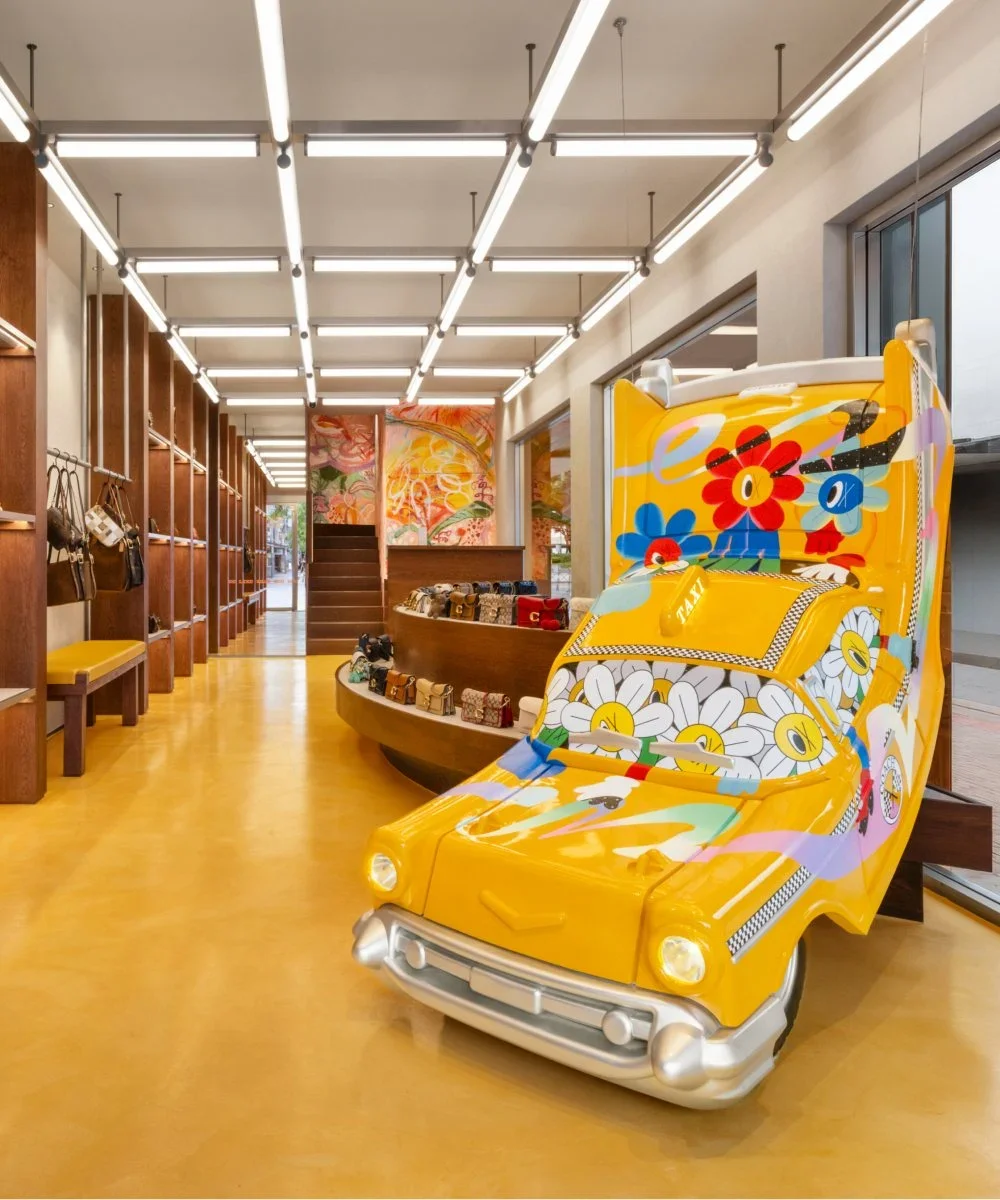
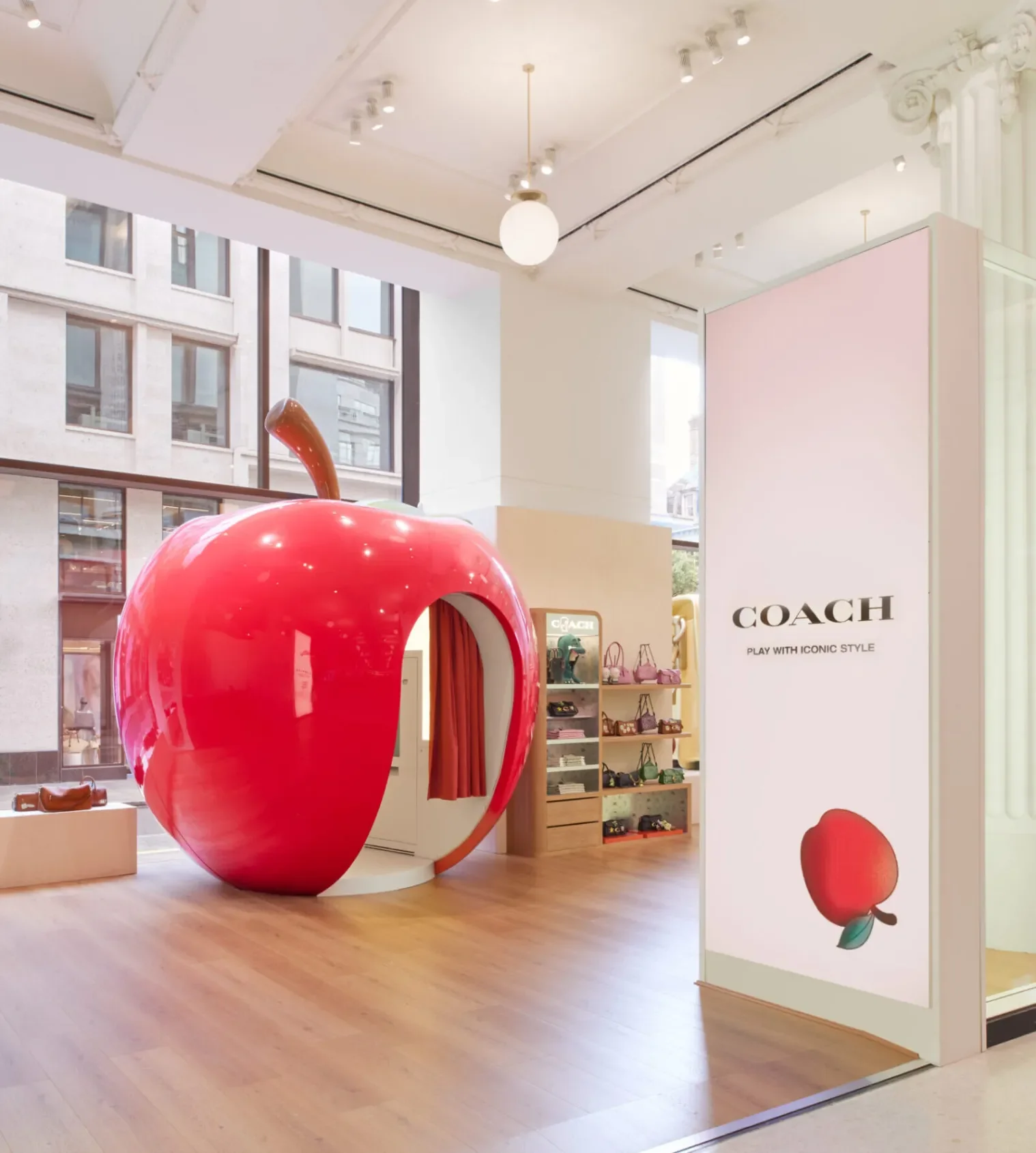
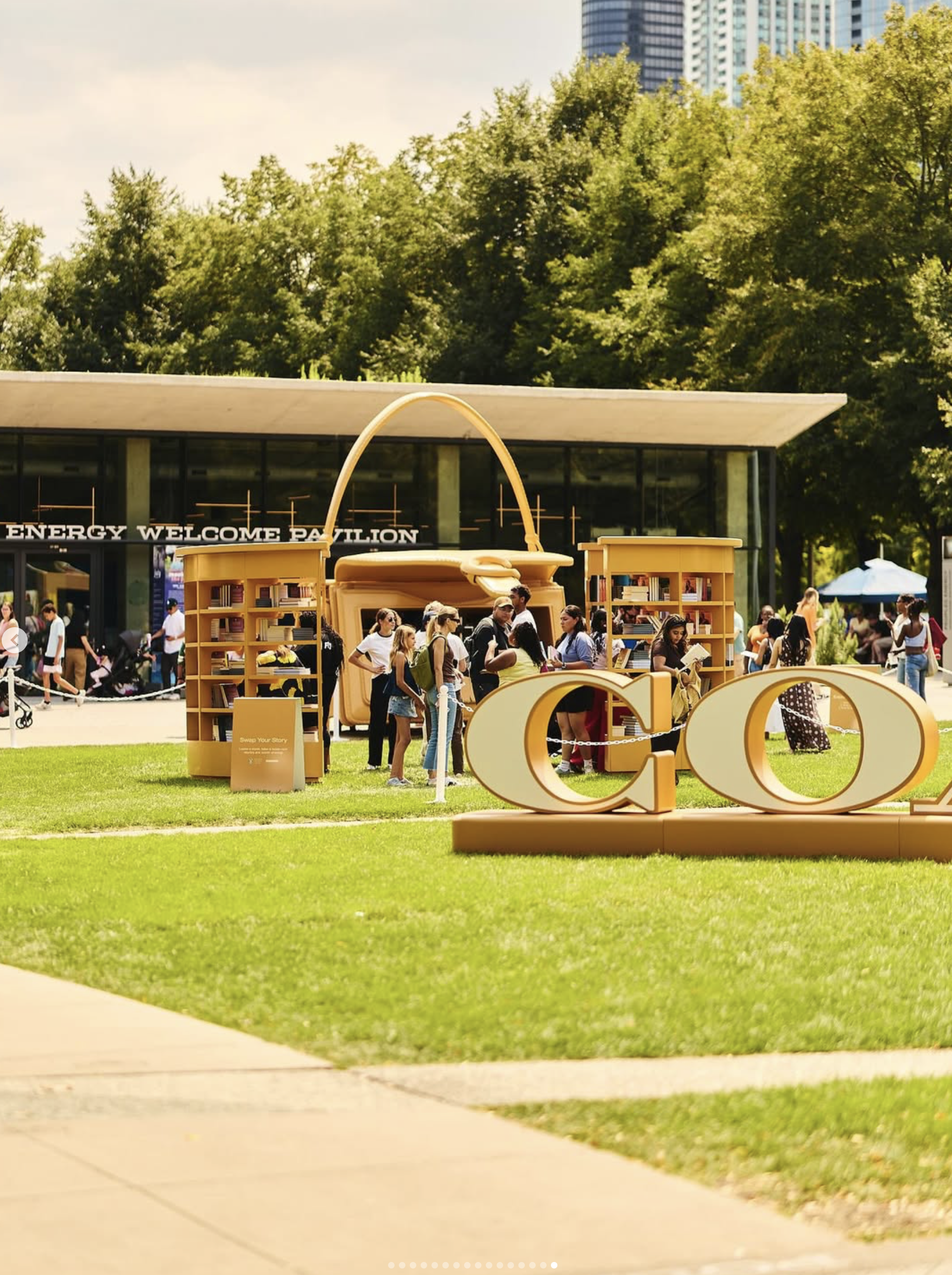
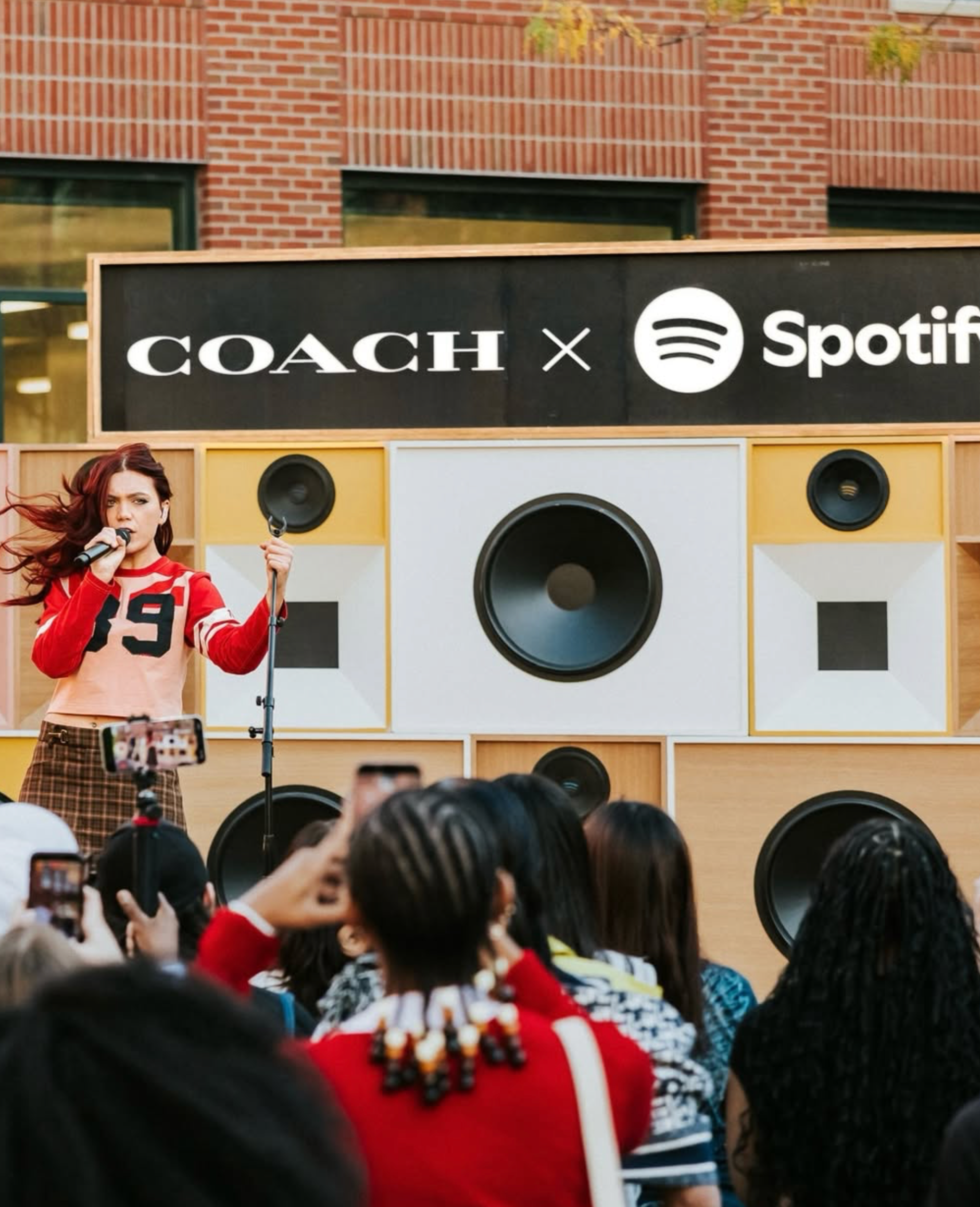
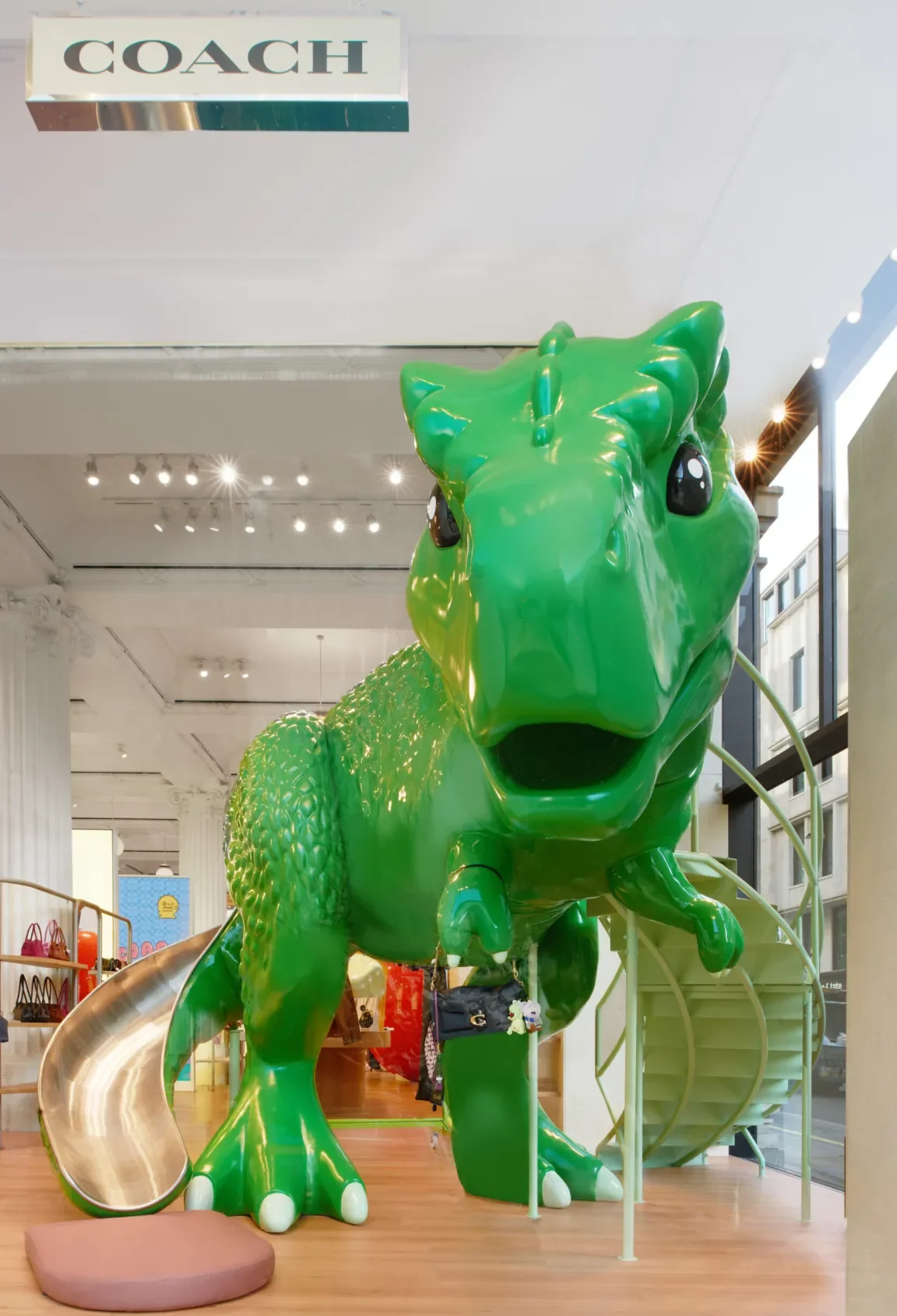
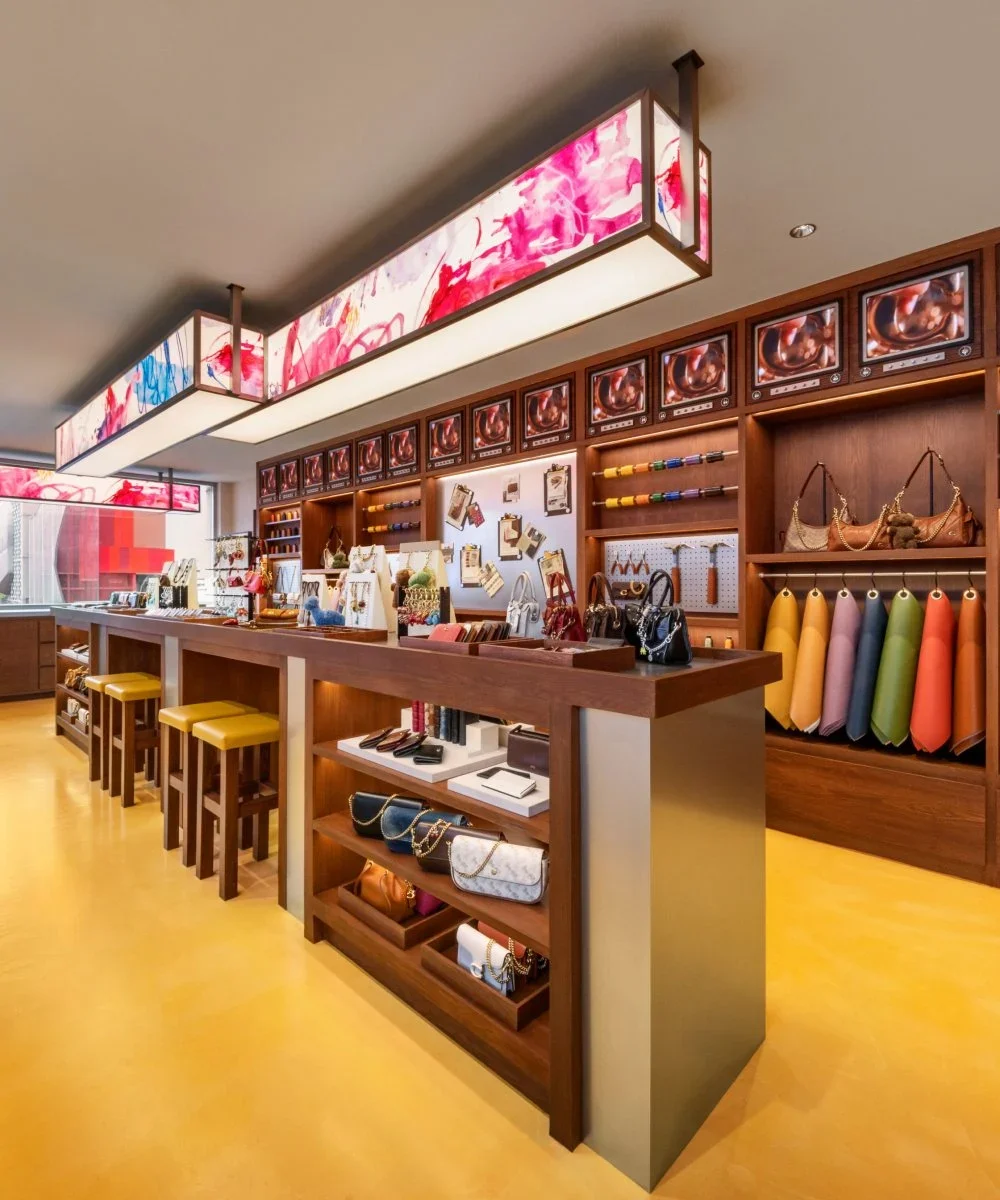
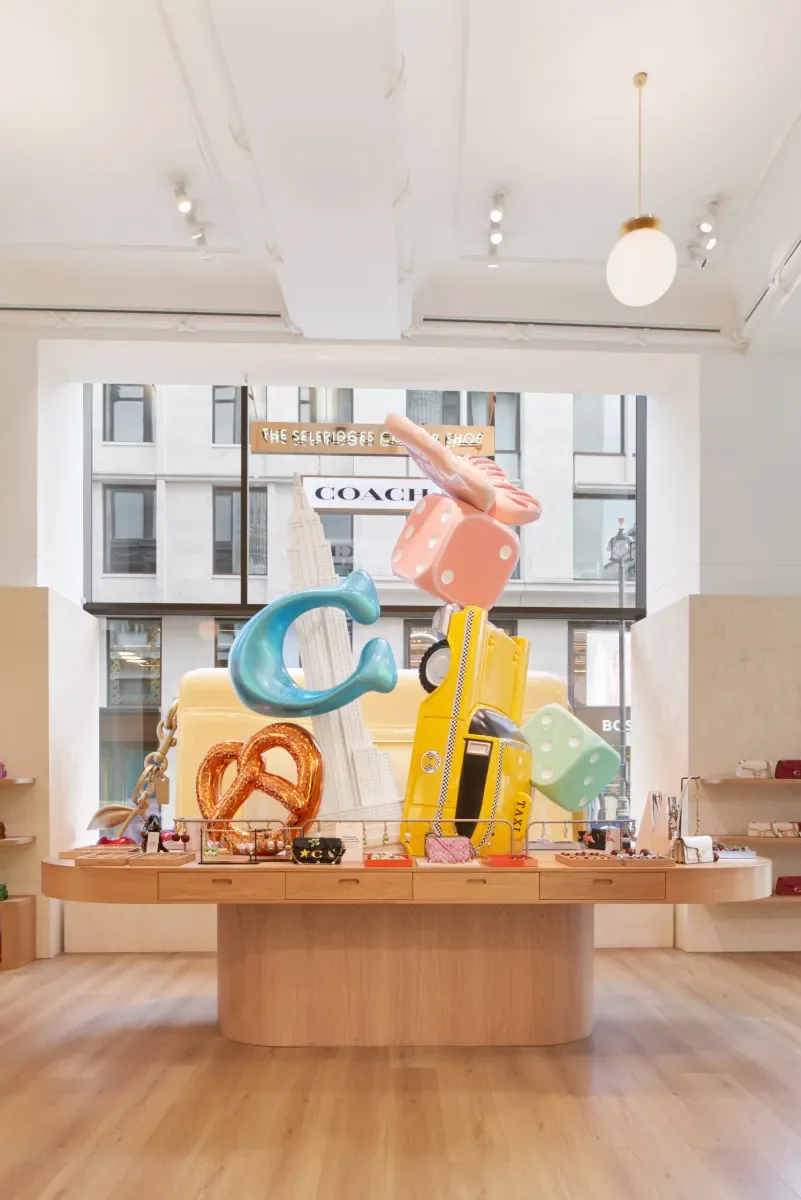
Pictures courtesy of COACH + STUDIO XAG
I recently read an interview with Giovanni Zaccariello, SVP of Global Visual Experience at Coach. What interested me was how varied their physical experiences can be. Stores, pop-ups, events, coffee shops, gaming, giant handbags. They do some pretty unexpected things and somehow it still feels like Coach. Zaccariello talks about the consumer journey being a consistent thread through their pop-ups, while the experiences respond to different locations and audiences. There’s a sense of play and discovery connecting them too.
Core brand standards, customer journey and store experience should give teams a foundation to work from, and customers something familiar to connect with. We explored this recently for Eveni Pacific. With stores and pop-ups across different markets, the challenge wasn’t making everything the same. It was deciding what needed to remain unmistakably Eveni, where there was room to respond to different customers and locations, and which everyday decisions teams shouldn’t have to keep making from scratch.
The bit I find interesting is what that clarity makes room for. With budgets having to work harder and expectations growing, getting the day-to-day sorted leaves more room for the moments that actually need creative attention. I used to say to my VM team, “You need to know the rules before you know how you can break them.” I didn’t mean ignore the direction and go rogue. I meant understand it. Know the standards, the non-negotiables and, most importantly, why they’re there. No two stores were ever quite the same. Often, direction needed interpreting to make it work in the real world. If you understood what you were actually trying to achieve, you knew where you could adapt it and bring in your own creativity without adding unnecessary elements and muddying the message. And when the everyday decisions were already clear, there was more time and confidence to push things further creatively when there was a good reason to.
Keziah Wildsmith from Heaps + Stacks talks about a campaign as “a constellation of creative moments”, which I really like. Each can have its own purpose and personality without feeling disconnected. CJ Hendry’s work makes me think of this too. Her projects can look completely different, but somehow they’re unmistakably hers. There’s a consistency in the attitude, playfulness and the way people are invited into her world, rather than a visual formula repeated every time. Which makes me wonder if consistency isn’t always about what something looks like. Sometimes it’s just the attitude that tells you where it belongs.
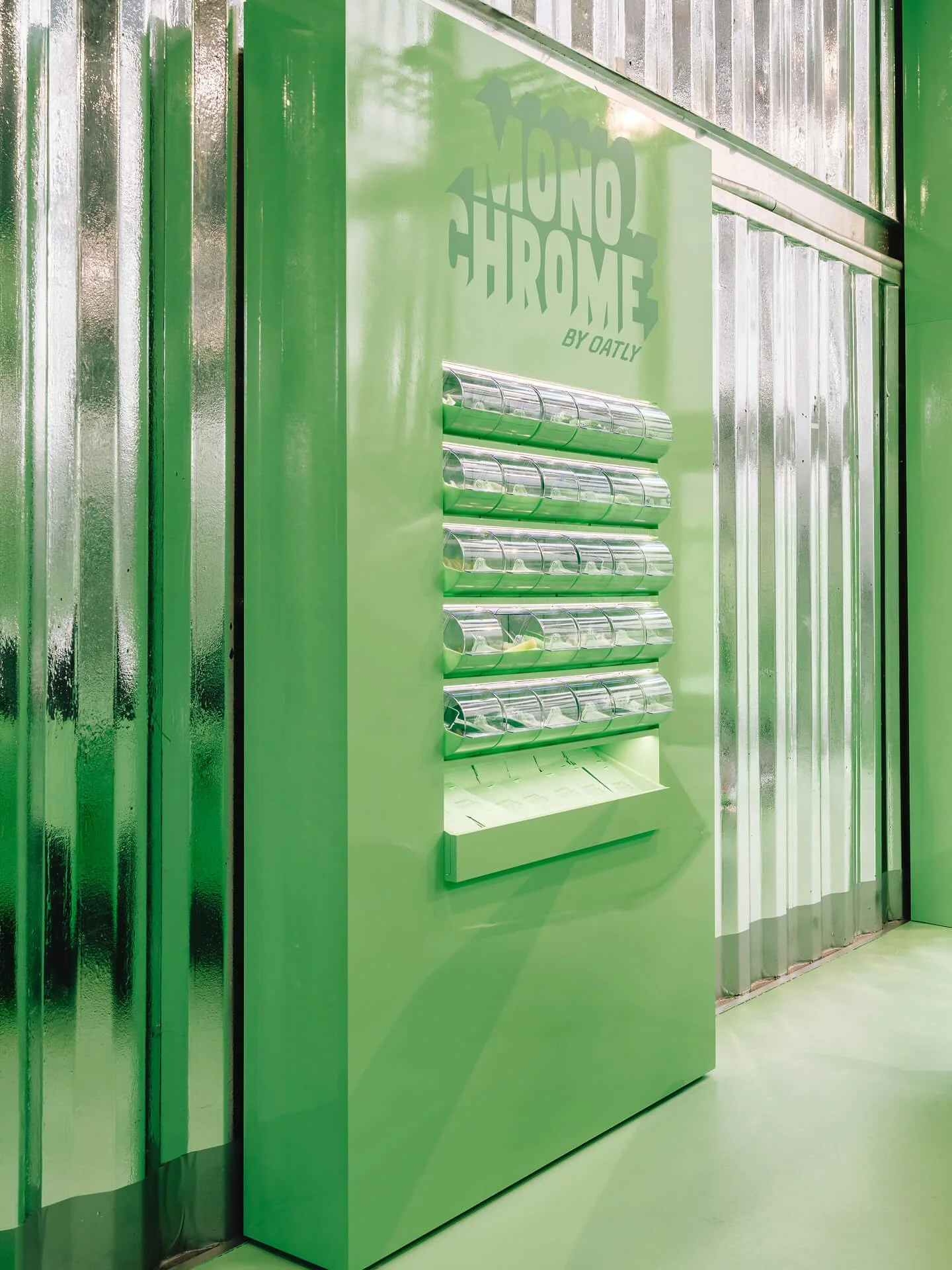
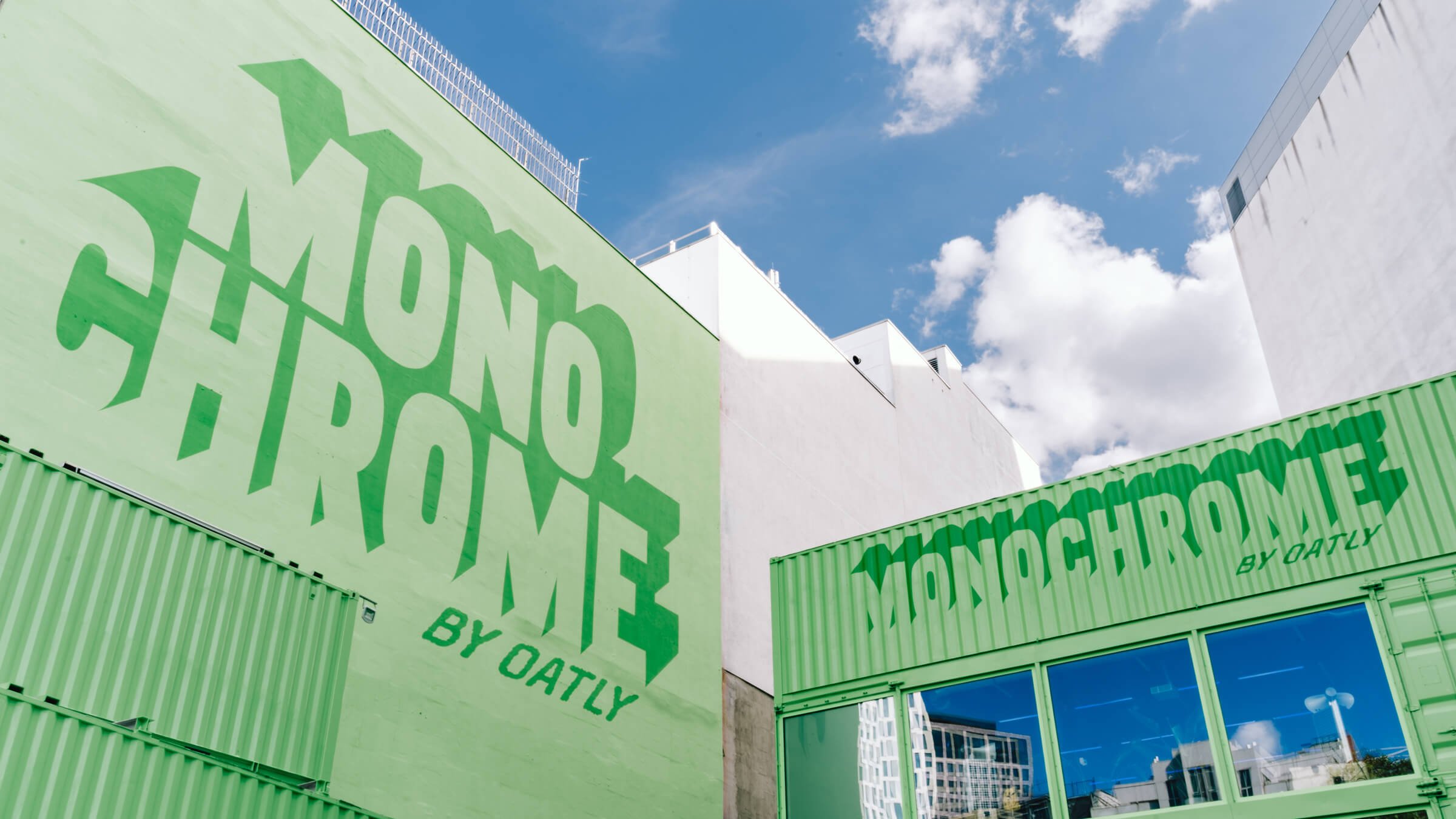
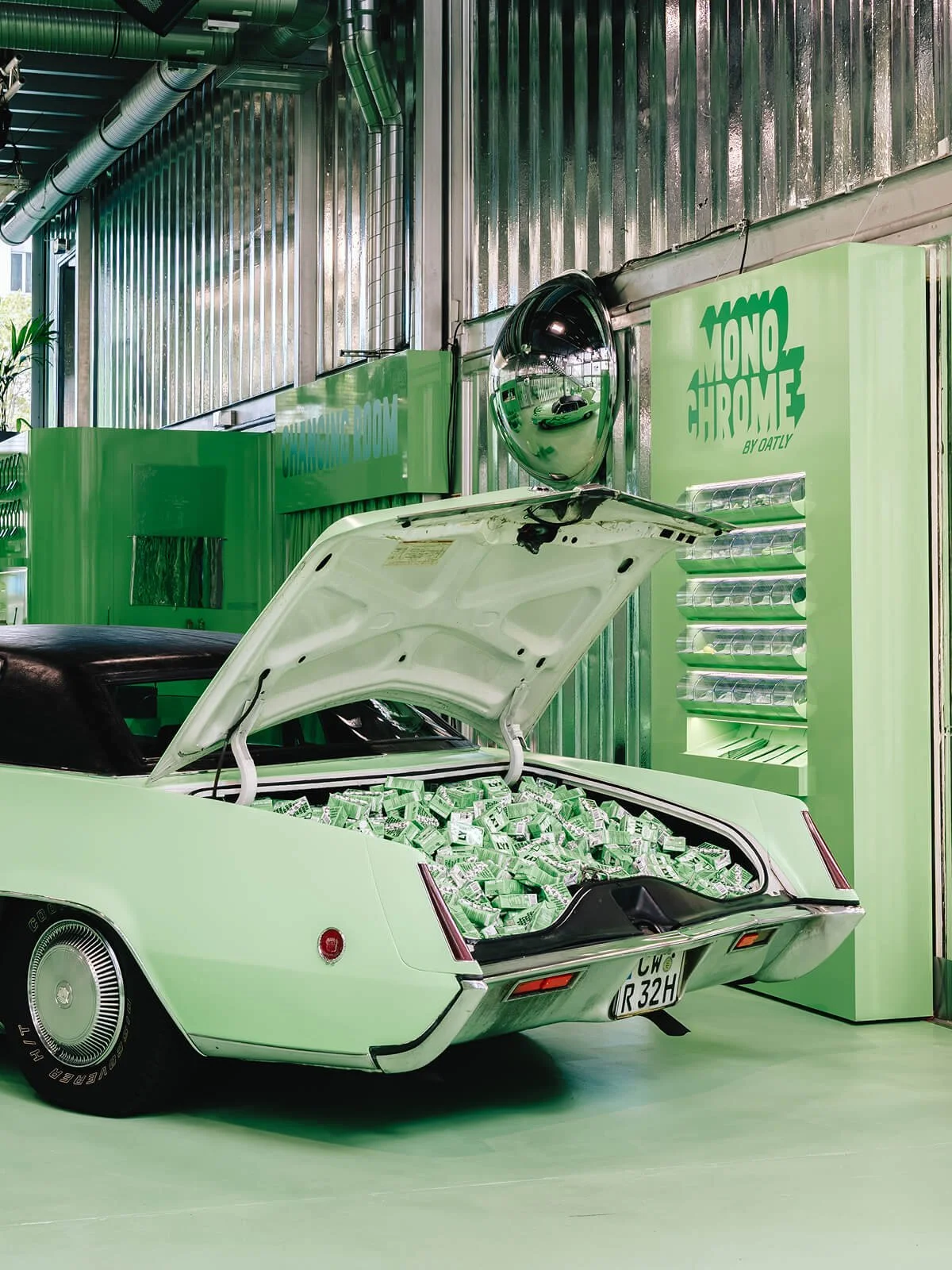
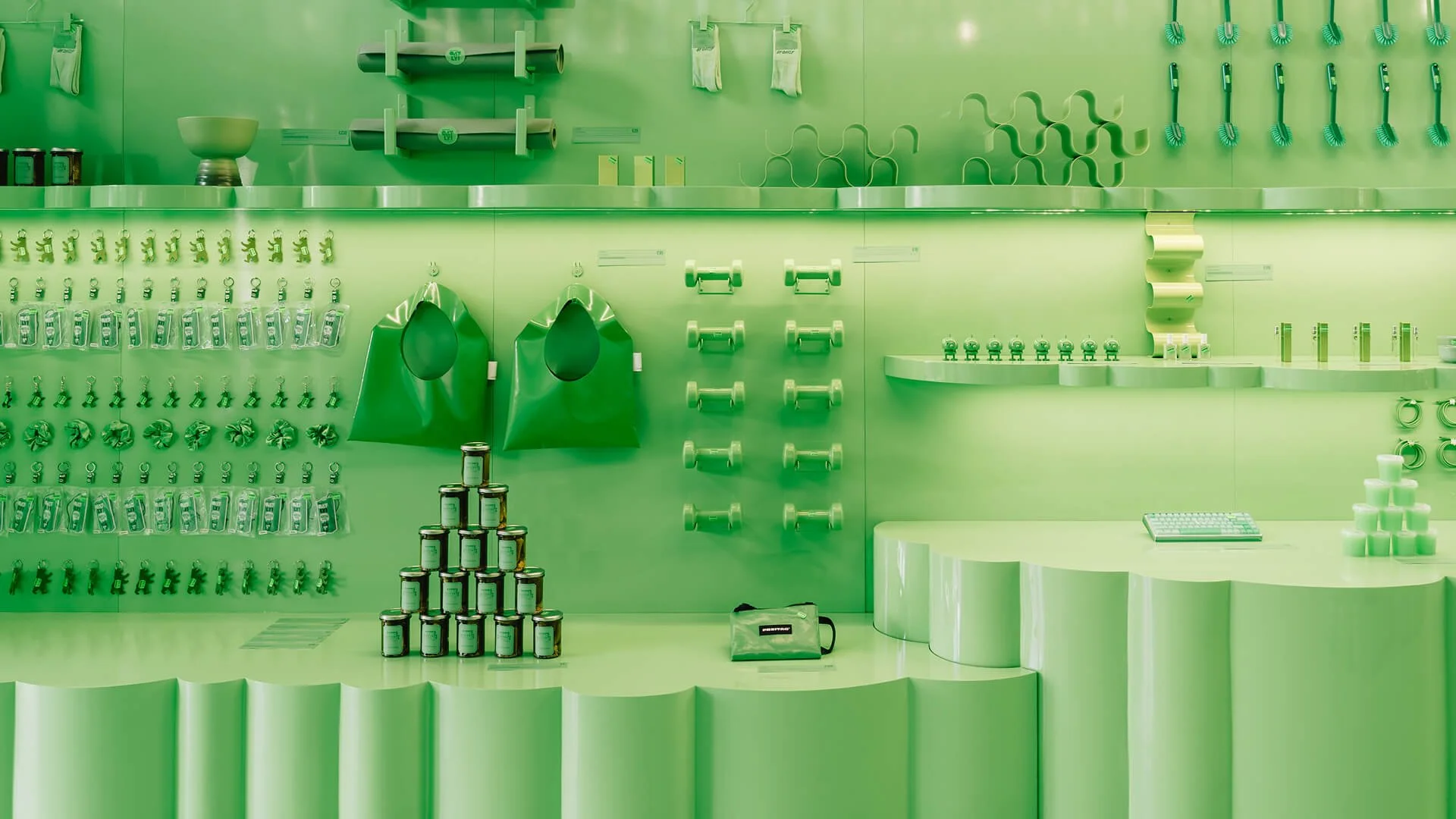
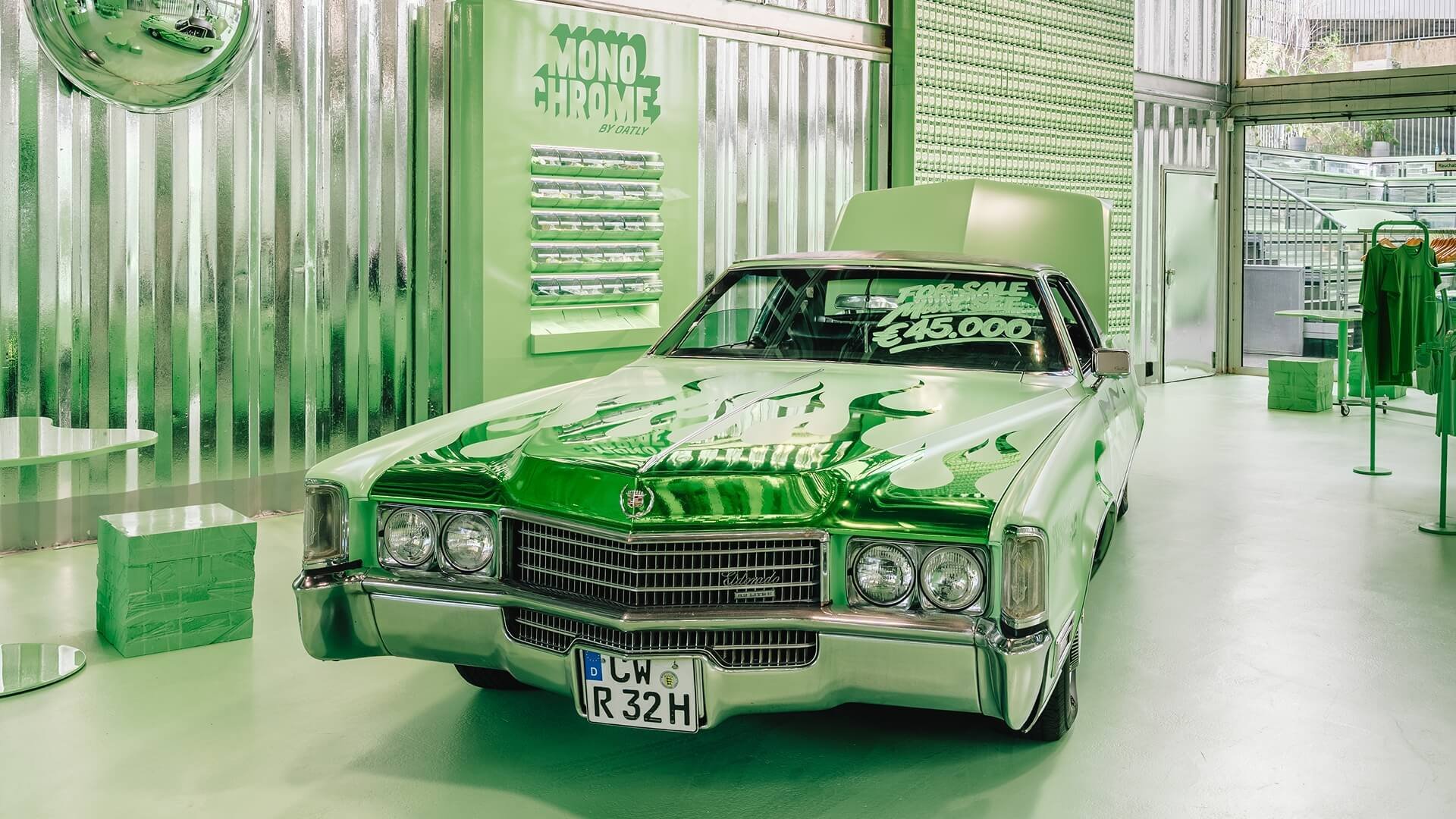
Monochrome by OATLY, Berlin - Pictures courtesy of Cee Cee Creative
Not every moment needs to do something new either. Sometimes repeating what already works is the right answer. But a launch, pop-up or activation exists because there’s a reason to create a moment in the first place. What are you actually trying to change, solve or create? What do you want someone to do, or feel? Sometimes the simplest idea works hardest when there’s a clear reason for it to exist.
Oatly’s Monochrome pop-up is a great example. They took one tiny part of their brand world, the green from a Matcha Latte carton, and made it the rule for an entire space somewhere between a shop, art installation and café during London Fashion Week. I like the restraint. Oatly isn’t exactly a quiet brand, but they didn’t need every part of its personality in the room. One recognisable piece was enough to create something unexpected.